
Why do good people sometimes make bad decisions? How do the pressures of work, social expectations, personal ambition, and organizational culture shape our ethical behavior? And what can we do to make better choices when our values are tested?
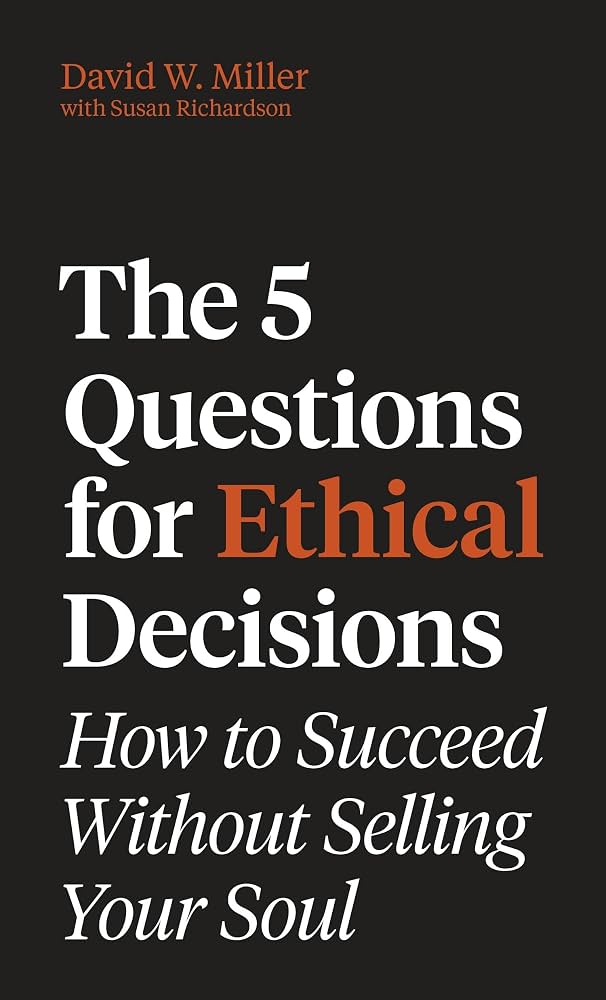
In this episode of The Armen Show, I speak with David W. Miller, PhD, director of the Faith and Work Initiative at Princeton University and co-author, with Susan Richardson, of The 5 Questions for Ethical Decisions: How to Succeed Without Selling Your Soul, published by Princeton University Press.
David brings an unusual combination of experience to the study of ethics. Before entering academia, he worked in technology, international finance, investment banking, and private equity. His interest in the relationship between professional success and personal values eventually led him to study theology and earn a PhD in ethics. His work now focuses on connecting ethical principles with the practical decisions people face in business and everyday life.
A central theme of our conversation is what David calls the “movable middle.” Most people are neither consistently virtuous nor persistently unethical. Instead, their behavior shifts in response to incentives, institutional cultures, personal circumstances, and the habits they develop over time. Even individuals with strong values can gradually compromise their standards through rationalization, performance pressure, or a desire for approval.
We explore how ethical failures emerge not only from individual character but also from the systems surrounding people. Organizational goals, financial rewards, groupthink, and leadership expectations can push otherwise reasonable individuals toward decisions they might once have rejected. David also considers why pride may be an even more dangerous influence than greed, particularly when people become invested in maintaining a public image of success.
Another important part of our discussion concerns David’s framework of the right, the good, and the fitting—three complementary lenses for approaching ethical decisions. The right considers laws, rules, and obligations. The good examines purposes, outcomes, and consequences. The fitting asks what is appropriate and virtuous in a particular situation. Looking through all three lenses can reveal blind spots that might otherwise go unnoticed.
We also discuss the role of religious traditions, family influences, historical wisdom, and personal role models in shaping moral values. David explains why understanding different ethical traditions can improve communication across cultures and help people navigate disagreements without abandoning their principles.
For moments when decisions must be made quickly, David introduces his practical Four M’s framework: Mother, Mentor, Media, and Maker. These questions encourage us to consider how people we respect, the wider public, and our deepest convictions might evaluate our choices. Even briefly stepping away from a stressful situation can create the space needed for clearer judgment.
Throughout the conversation, we return to the importance of agency, self-awareness, and long-term thinking. Ethical behavior is not simply a matter of knowing what is right. It also involves cultivating the habits, relationships, and environments that make doing the right thing more likely.
We conclude by considering a question that connects ethical decisions to the larger story of a person’s life: What will your future self thank you for doing today?
This discussion explores ethics as an ongoing process of human development, examining how we become the people we are, how our surroundings influence our choices, and how thoughtful decisions can shape the lives we ultimately lead.
Topics discussed include:
- Why good people make unethical decisions
- The movable middle and the influence of organizational culture
- Individual responsibility versus institutional incentives
- The role of pride, greed, and personal identity
- The right, the good, and the fitting: three ethical lenses
- Preventive, reactive, and restorative ethics
- Recognizing ethical blind spots and unintended consequences
- The Four M’s framework for difficult decisions
- Finding moral courage and speaking up under pressure
- Religious traditions and the origins of ethical values
- Developing habits of ethical fitness
- Making decisions with our future selves in mind
About David W. Miller
David W. Miller, PhD, is director of Princeton University’s Faith and Work Initiative, a lecturer and scholar of ethics, and an adviser to corporate leaders on organizational culture, values, and ethical decision-making. His professional background includes senior positions in international business and finance, followed by academic work in theology and ethics. He is the author of God at Work and co-author, with Susan Richardson, of The 5 Questions for Ethical Decisions: How to Succeed Without Selling Your Soul.
Book: The 5 Questions for Ethical Decisions: How to Succeed Without Selling Your Soul — David W. Miller with Susan Richardson (Princeton University Press)
Podcast: Play in new window | Download
Leave a Reply